Uncover the Key Services Provided in Standard Auto Repair to Keep Your Vehicle Performing Optimally
Keeping a vehicle requires a solid understanding of essential auto repair services. Regular oil changes, brake examinations, and tire rotations are just a few essential components that ensure smooth operation. Each service fulfills a critical role in keeping vehicles reliable and efficient. Yet, many drivers overlook these critical tasks. Understanding their significance can result in better vehicle performance and longevity. What other services are necessary for optimal vehicle health?
The Significance of Routine Oil Changes
Consistent oil changes act as the backbone of vehicle maintenance, ensuring peak engine performance and longevity. Engine oil coats moving parts, lowering friction and wear while eliminating overheating. Over time, oil degrades and builds up contaminants, which can create engine damage if not changed routinely. Most manufacturers suggest changing oil every three thousand to seven thousand five hundred miles, depending on the vehicle and oil type. Overlooking these recommendations can cause diminished fuel efficiency, higher emissions, and pricey repairs. Regular oil changes not only enhance engine performance but also contribute to a longer vehicle lifespan. Car owners who prioritize this essential service can experience smoother rides and superior reliability, ultimately conserving money and stress in the long run.
Getting to Know Brake Inspections and Repairs
Regular brake servicing is vital for vehicle safety and performance. Recognizing the signs of brake troubles can stop costly repairs and deliver reliable operation. Understanding the brake repair process enables vehicle owners to make informed decisions when facing necessary repairs.
Value of Brake Maintenance
Sound brake maintenance is vital for ensuring vehicle safety and performance. Consistent inspections and prompt repairs help detect potential issues before they develop into serious problems, reducing the risk of accidents. Brake components, including pads, rotors, and fluid, require routine assessment to maintain maximum functionality. Ignoring brake maintenance can lead to decreased stopping power, increased wear, and more costly repairs down the line. Additionally, environmental factors such as moisture and road debris can impact brake performance, making consistent upkeep detailed article even more essential. By emphasizing brake maintenance, vehicle owners can extend the longevity of their braking system, guarantee safety for themselves and others on the road, and maintain the overall reliability of their vehicle.
Warning Signs of Brake Troubles
Recognizing signs of brake issues is essential for maintaining vehicle safety and performance. Common indicators include a squeaking or grinding noise when the brakes are applied, which often signifies worn brake pads. Additionally, a soft or spongy brake pedal may indicate air in the brake line or low brake fluid levels. Vibrations during braking can signal warped rotors. If the vehicle pulls to one side while braking, it may be a sign of uneven brake wear or a sticking caliper. Warning lights on the dashboard can also alert drivers to potential brake problems. Regular inspection of these symptoms can prevent further damage and guarantee effective braking function, promoting overall road safety.
Understanding the Brake Repair Process
A thorough understanding of the brake repair process is essential for vehicle owners to maintain their safety on the road. The process commences with a complete brake inspection, where technicians assess components such as pads, rotors, and calipers for signs of wear and damage. If defects are discovered, replacement parts are acquired based on the vehicle's specifications. During the repair, damaged components are removed, and new ones are installed, often requiring adjustments to ensure maximum performance. After installation, technicians carry out a test drive to ensure that the brakes function correctly. Finally, a follow-up inspection verifies that everything is in order, providing peace of mind that the vehicle's braking system is trustworthy and safe for driving.
Tire Rotations and Their Importance in Vehicle Maintenance
Regular tire rotations are essential in the overall maintenance of a vehicle, adding substantially to tire longevity and performance. Regular tire rotations help provide even wear, as front and rear tires experience different levels of stress and friction. This practice not only prolongs tire lifespan but also boosts vehicle handling, stability, and fuel efficiency. Technicians usually advise rotating tires every five thousand to seven thousand five hundred miles, although the specific interval may vary relative to the vehicle and tire type. Failing to rotate tires can lead to tires wearing out prematurely and compromised safety on the road. Ultimately, incorporating tire rotations into routine maintenance is essential for peak vehicle performance and cost-effectiveness in the long run.
Crucial Liquid Inspections and Refills
Maintaining proper fluid levels is essential for a vehicle's operation and longevity, as overlooking this aspect can lead to serious mechanical issues. Essential fluid checks and top-ups include engine oil, coolant, transmission fluid, brake fluid, and power steering fluid. Routine inspections ensure that these fluids are at proper levels, avoiding overheating, brake failure, and transmission issues. Technicians utilize specialized tools to evaluate fluid quality and detect leaks, addressing any concerns immediately. Furthermore, top-ups are carried out to sustain proper fluid levels, contributing to smoother operation and better fuel efficiency. Creating a routine schedule for fluid examinations can reduce the risk of costly repairs and improve overall vehicle safety, guaranteeing a reliable driving experience for the owner.
Battery Care and Replacement Options
Battery care is critical for ensuring a vehicle's reliability and performance. Regular checks of the battery's terminals and connections prevent corrosion, which can obstruct electrical flow. Technicians often clean the terminals and apply a protective coating to increase longevity. Beyond maintenance, battery testing is essential; it measures the charge capacity and identifies if a replacement is needed. When a battery displays weakness or failure, professional replacement services ensure that the new battery is compatible with the vehicle's specifications. Appropriate disposal of the old battery is also handled, adhering to environmental regulations. All in all, regular battery maintenance and replacement services play a major role to a vehicle's best operation and longevity.
The Importance of Diagnostic Solutions and Tune-Ups
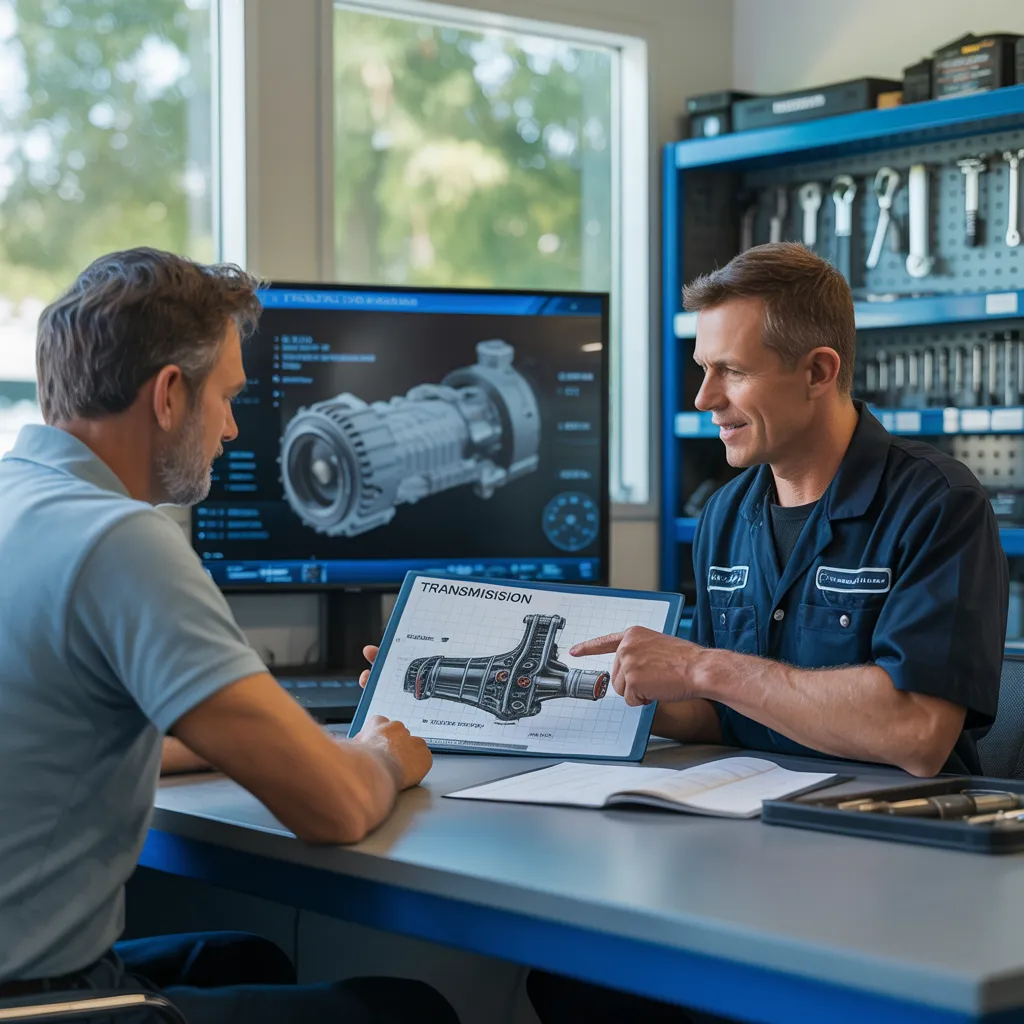
While many vehicle owners may overlook the significance of regular diagnostic services and tune-ups, these practices are necessary for sustaining peak vehicle performance. Diagnostic services assist in detecting underlying issues before they escalate into costly repairs, guaranteeing that the vehicle performs efficiently. Technicians leverage advanced tools to evaluate various systems, including the engine, transmission, and electrical components, delivering valuable insights into the vehicle's condition.
On the other hand, tune-ups include standard maintenance activities such as changing spark plugs, filters, and fluids. This proactive approach improves fuel efficiency, lowers emissions, and extends engine life. Combined, diagnostic services and tune-ups build a complete maintenance strategy that not only boosts reliability but also boosts driving safety, ultimately delivering a better ownership experience.
Questions & Answers
How Often Should I Arrange a Comprehensive Vehicle Inspection?
A comprehensive vehicle inspection should generally be scheduled every 12,000 miles or once a year, whichever arrives first. Routine inspections help detect potential issues early, ensuring that vehicle performance and safety are preserved effectively over time.
What Signs Indicate My Car Needs a Tune-Up?
Signs indicating a automobile requires a tune-up include reduced fuel efficiency, rough idling, difficulty starting, engine misfires, and activated dashboard warning lights. Consistent maintenance ensures peak vehicle performance and longevity.
Is Basic Maintenance Something I Can Do Myself?
Indeed, routine maintenance is achievable for the majority of people. Tasks like oil changes, air filter replacements, and tire rotations are manageable when equipped with appropriate tools and instructions, allowing automobile owners to care for their vehicles capably and budget-consciously.
How Can I Determine if My Brake Pads Need Replacement?
To check if brake pads need replacement, you can be alert for unusual squealing or grinding, assess reduced braking responsiveness, or directly check the pads for proper depth. Getting a professional inspection is recommended for proper determination.
What Does the Typical Auto Repair Cost?
Average costs of common auto repairs typically ranges from $100 to $1,000, based on the service required. Factors influencing expenses include the vehicle's manufacturer and model, repair intricacy, and local labor rates.
Comments on “How to Find Auto Repair in Pottstown PA Right Now”